
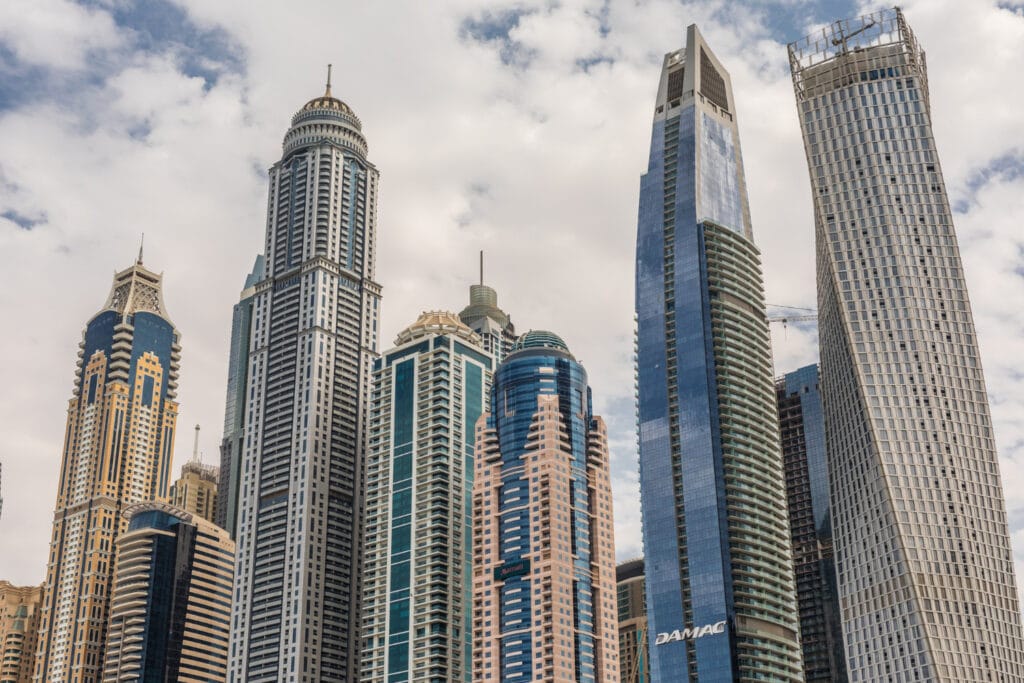
The Dubai real estate market is now in a state of global observation – characterised by iconic developments, a strong global investment presence, and compelling price dynamics. Whether you are a first-time consumer, an investor seeking returns, or a homeowner looking to determine the resale value of your home, it is essential to understand Dubai property prices to make informed decisions.
Compared to most markets around the world, the property prices in Dubai are predetermined by the peculiar combination of economic policies, investor mood, government regulations, and demographic changes. This article dissects all the main elements that influence the prices of the property in Dubai, discusses the recent tendencies, provides useful recommendations, and provides a more objective perspective of the difficulties and advantages in this business.
Why Dubai Property Prices Matter
The real estate business in Dubai is not about towers and beachfront villas only. It is a major indicator of an economy that shows confidence of investors in the world, well being of tourism and business sectors, and the well-being of the emerging economies. The increase in the price of the property may indicate strong demand and economic confidence, whereas declining prices may indicate substantial changes in global capital flows or domestic policy.
What Determines Dubai Property Prices?
1. Fundamentals of Supply and Demand
Simply, Dubai real estate prices are influenced by the laws of supply and demand, just as any other real estate market.
- High Demand Drivers: There is demand due to the influx of expatriates, the rising number of business hubs, the increase in free zones, and lifestyle attractiveness.
- Supply Surge Effect: In the last ten years, Dubai has increased its real estate by millions of square feet of mega-projects (e.g., Palm Jumeirah, Dubai Creek Harbour). In case the supply is increased more than the demand, the prices may be kept constant or reduced.
- Real Estate Cycle Insight: It is important to know the rate at which homes are sold or rented after being built or rented out because this helps in predicting price cycles.
2. Economic Growth & Job Market
There is a direct relationship between economic performance and property prices:
- GDP Growth and Diversification: The transition to tourism, technology, logistics, and finance makes Dubai more employable and increases housing demand.
- Oil Price Fluctuations: Despite the fact that Dubai has not relied on oil, the economic trend of the region has an influence on investor confidence.
- Example Impact: There is good growth in jobs, which results in high rental and drives the rental and resale price up.
3. Government Policies and Regulations
The regulatory environment in Dubai has a strong influence on the prices of properties:
- Freehold vs. Leasehold Zones: The quality of Freehold areas is that they offer security to international buyers at the expense of Leasehold.
- Visa-Linked Property Purchases: Residency permits issued on property investment have increased demand.
- Mortgage Rules: Loan-to-value (LTV) limits and financing policies have impacts on how individuals can buy houses – they influence the price trend.
Regulatory tightening usually reduces speculation, and reforms to encourage investment will boost prices.
4. Foreign Exchange Rates
The real estate market of Dubai is dominated by the inflow of international capital:
- An appreciation of the UAE dirham against other currencies may bring foreign consumers who want to find consistent returns on their investment.
- On the other hand, fluctuation in the key currencies (USD, GBP, EUR, INR) influences the cost to international buyers, which is capable of impeding purchasing drive.
5. Interest Rates and Availability of Credit
The interest rates, despite the influence of the world monetary trends, also affect mortgage costs in Dubai:
- The cheaper interest rates enable more people to borrow, leading to more purchasing power and also price growth.
- The increase in rates narrows down the borrowing threshold, particularly to those who buy on a mid- to long-term basis, leading to possible price change or loss of purchase.
6. Effects of Tourism, Business Events, and Expo
The calendar of international events in Dubai, such as expos, conferences, and festivals, exposes the city to the rest of the world and introduces short-term housing needs. Hotels, furnished apartments, and short-stay hotels are a common example where prices explode during the high tourist seasons.
7. Investor Sentiment and Market Psychology
The real estate market in Dubai is more sensitive to the global sentiment of investors. The announcement of new policy changes, infrastructural work, or price stability can soon affect shopping choices and price dynamics.
Current Trends Influencing Dubai Property Prices (Expert Insight)
Note: Although the specific prices are fluctuating, the market trends used below are stable and constant forces that buyers and investors are facing.
1. Urbanisation and Development of Infrastructures
The current infrastructural expansion of Dubai, such as the extension of the metro, new road systems, and renovations of the airports, makes the peripheral communities more reachable; this raises property value in the hitherto neglected regions.
2. Dynamics of Luxury vs. Affordable Segment
Disjunction between the luxury property and the mid-market residential segments is common. The luxurious price growth is driven by high demand for UHNWIs (Ultra High Net Worth Individuals), whereas the general economic factors have a direct influence on the affordable prices of housing.
3. Rental Market Ripples
The rental market trends in Dubai can be favorable compared to most other cities worldwide. Increased rents tend to favour increased capital values, particularly in locations that have high occupancy.
Dubai Property Investment Advantages
1. Tax-Friendly Environment
Net returns also increase because of the free property tax and capital gains tax for the majority of investors in Dubai.
2. Global Strategic Connectivity
The location of Dubai allows it to become the centre of international movement and business that attracts multinational buyers and tenants.
3. Diverse Investment Options
High-rise apartments, gated community villas, waterfront properties, and off-plan opportunities are available to the buyers.
4. Policy Support of Long-Term Residency
Investment-based visas generate more motivation to long term property ownership.
Challenges and Risks
1. Market Cycles and Volatility of Prices
Dubai has already undergone price rebalances in the context of general economic downturns. Buyers are advised to have a long-term point of view.
2. Oversupply Concerns
The times of intense growth may result in supply overload, which can either drive prices or prolong sales.
3. Financing Limitations
With strict lending requirements, the borrowing capacities of some buyers may be hampered, especially international investors who do not have sources of income in the UAE.
4. External Economic Shocks
The demand for the property can be changed without any notice due to global financial conditions, geopolitical conflicts, and fluctuations in currencies.
Buyers / Investor Practical Advice
1. Fundamentals of Research Neighbourhood
Research the population growth trends, planned infrastructure, and rental demand, then invest.
2. Examine Comparable Sales (Comps)
Check the past transactional records to estimate the realistic price levels and not to pay excessively.
3. Take Long-Term Value Drivers into Account
Target locations that are planned to have metro links, educational institutions, hospitals, and workplaces.
4. Work With Certified Agents
Select players accredited by the Dubai Land Department (DLD) and who possess extensive knowledge of the local scene.
5. Total Cost of Ownership
Categorise service charges, community fees, and maintenance costs in the computation of returns.
Conclusion
Dubai is an active and dynamic property market, having unique drivers that shape the prices of properties. Since the economic forces of the world and government policies affect the supply-demand forces as well as investor psychology, learning how these factors interplay is crucial to both buyers and investors.
Through in-depth research, a long-term view, and reliable professional advice, you can manage the realities of Dubai property prices to come up with confident real estate decisions.
Frequently Asked Questions
1. What are the average prices of property in Dubai?
The average prices differ widely with respect to location, type of property, and market conditions. Verify new price indexes or local broker reports to get current information.
2. Are there restrictions on foreign buyers in Dubai?
In specific freehold zones, foreigners may purchase property, and they are entitled to full ownership rights. Regulations are constantly improving according to the needs of investors.
3. Are there property market increases or losses in Dubai?
The trend of prices varies depending on economic trends, supply-demand ratio, and policy alterations. Never forget to consult quarterly market reports to determine the direction.
4. Which are the areas with the highest rental returns?
The communities with high demands around business districts and transit centres are generally higher in terms of rental yields.
5. Which is better to purchase, off-plan or ready property?
Off-plan homes have the benefit of early-bird pricing and payment schemes, but have the risk of non-delivery. Ready properties can be ready to give an immediate potential for rental income.
Call to Action
Ready to explore your property options in Dubai with expert guidance? Contact a certified real estate agency in Dubai today to receive personalised market insights, price trends, and investment advice tailored to your goals.
