
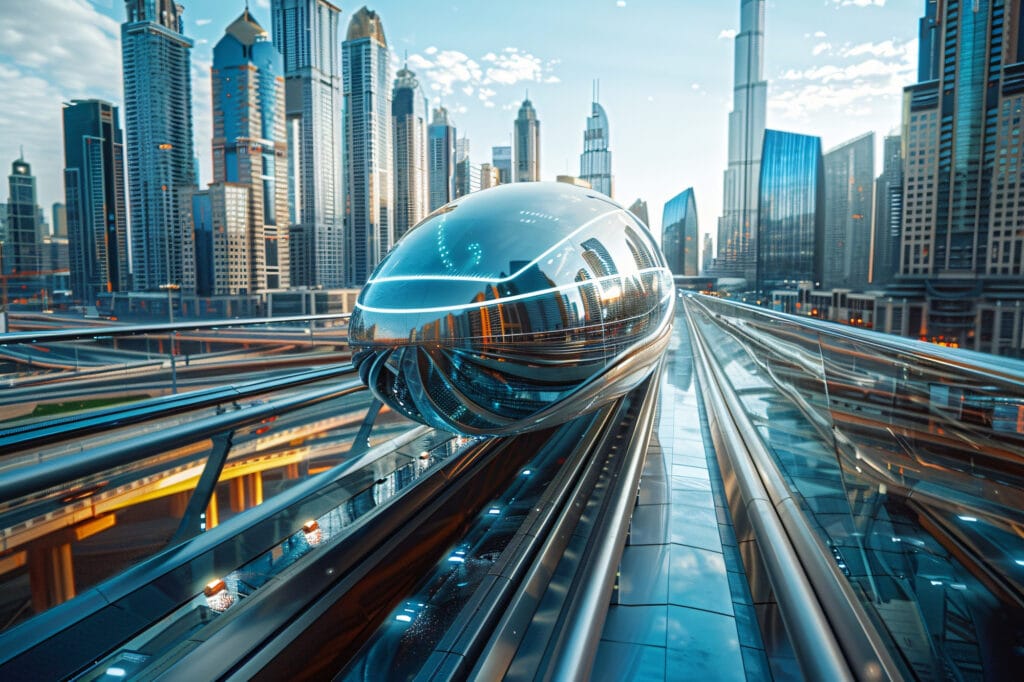
Dubai’s real estate market has always been closely linked to infrastructure development. From the expansion of the Dubai Metro to the growth of Expo 2020 Dubai, every major infrastructure milestone has historically increased property values in surrounding communities. Now, the spotlight is on Etihad Rail Dubai, which has a transformative project reshaping connectivity across the UAE.
In 2026 and beyond, Etihad Rail Dubai’s real estate demand is emerging as one of the strongest growth drivers in the property market. Investors, homeowners, and developers are closely watching the growth in rail connectivity, which is increasing demand in key areas such as Dubai South, Jebel Ali, and logistics corridors.
What is Etihad Rail, and Why Does it Matter for Dubai Real Estate?
Etihad Rail is the UAE’s national railway network, designed to connect major cities and industrial hubs across the country. The project links Abu Dhabi, Dubai, Sharjah, and other emirates, reducing travel time and enhancing economic integration.
For Dubai, the impact is significant:
- Faster inter-emirate commuting
- Increased commercial activity
- Improved logistics and trade connectivity
- Higher residential demand near connected zones
Historically, transport accessibility directly influences property value appreciation. Areas close to metro stations saw price increases of 15–25% over time. A similar pattern is expected with Etihad Rail Dubai connectivity.
How Etihad Rail Dubai Is Increasing Property Demand
1. Rise of Dubai South as an Investment Hotspot
Dubai South is positioned as one of the primary beneficiaries of Etihad Rail connectivity. Its proximity to logistics zones, Al Maktoum International Airport, and transport corridors makes it highly attractive.
Improved rail access enhances:
- Workforce mobility
- Commercial warehousing demand
- Residential community growth
As a result, inquiries about Dubai South property investment have significantly increased among regional and international buyers.
2. Infrastructure-Led Capital Appreciation
Properties located near transport hubs often experience:
- Higher resale value
- Stronger rental demand
- Faster occupancy rates
With Etihad Rail Dubai improving accessibility, communities near planned stations are expected to attract both investors and end-users seeking long-term appreciation.
3. Boost to Jebel Ali and Industrial Corridors
Jebel Ali has long been a trade powerhouse due to its port and free zone infrastructure. Rail connectivity further strengthens its position as a logistics and commercial hub.
For real estate investors, this means:
- Increased demand for worker housing
- Higher rental yields in surrounding communities
- Growth in mixed-use developments
4. Increased Rental Yields in Connected Communities
The rental demand tends to rise in areas with strong transport links. Tenants prefer locations with reduced commute times and easy city access.
Etihad Rail Dubai real estate trends indicate that rental yields may improve in connected zones due to:
- Inter-emirate commuters
- Corporate relocations
- Workforce housing demand
Comparing Etihad Rail Impact to Dubai Metro Expansion
When the Dubai Metro expanded, nearby property values increased steadily over several years. Investors who purchased early benefited the most.
The difference with Etihad Rail is scale — it connects entire emirates rather than just city districts. This broader reach means:
- Cross-city housing demand
- Expanded commercial growth
- Higher long-term appreciation potential
Investment Opportunities Emerging from Etihad Rail Dubai
Residential Properties
- Apartments near transport corridors
- Family communities in Dubai South
- Affordable housing options for commuting professionals
Commercial Real Estate
- Logistics warehouses
- Office spaces near transport hubs
- Retail outlets in connected districts
Off-Plan Developments
Buying off-plan properties near Etihad Rail-connected areas may offer lower entry prices with strong appreciation potential upon project maturity.
Challenges and Considerations for Investors
While the outlook is positive, investors should consider:
- Project completion timelines
- Over-supply risks in certain zones
- Market cycles and economic conditions
Infrastructure alone does not guarantee returns. Strategic property selection, developer reputation, and pricing entry points matter significantly.
Future Outlook: Etihad Rail and Dubai Real Estate 2026–2030
Dubai continues to position itself as a global investment hub. With visa reforms, foreign ownership laws, and infrastructure expansion, the city is attracting global capital.
Etihad Rail Dubai real estate demand is expected to grow due to:
- Improved inter-emirate commuting
- Business expansion across the UAE
- Increased foreign investor confidence
- Strategic government-backed infrastructure planning
Experts predict infrastructure-linked zones will outperform isolated communities in long-term appreciation.
Why Investors Are Acting Now
Smart investors understand timing is everything. Buying before the full operational impact allows:
- Lower acquisition costs
- Early capital appreciation
- Strong rental positioning
As rail connectivity progresses, Dubai property prices in connected areas may adjust upward, reducing entry affordability.
The experts advise clients to focus on:
- Location within 5–10 km of connectivity points
- Master-planned communities
- Projects by reputed developers
- Areas with strong amenities and schools
Final Thoughts: A Strategic Investment Window
Infrastructure has always shaped Dubai’s property success story. With Etihad Rail Dubai transforming connectivity, the real estate landscape is entering a new growth phase. Areas once considered peripheral are now becoming prime investment zones.
For investors seeking strong appreciation, rental demand, and long-term stability, focusing on Etihad Rail-connected communities may be one of the smartest moves in 2026.
FAQs About Etihad Rail Dubai Real Estate
1. Will Etihad Rail increase property prices in Dubai?
Yes, infrastructure improvements typically lead to higher demand and price appreciation, especially near connectivity hubs.
2. Which areas in Dubai will benefit the most from Etihad Rail?
Dubai South, Jebel Ali, and logistics-connected communities are expected to see strong demand growth.
3. Is it better to invest before or after Etihad Rail completion?
Historically, early investors benefit more from capital appreciation before full infrastructure completion.
4. Will rental yields improve near Etihad Rail stations?
Rental demand often rises in well-connected areas, potentially increasing rental yields.
5. Is Etihad Rail suitable for long-term real estate investment?
Yes, infrastructure-backed growth aligns with Dubai’s long-term urban expansion strategy.
Invest Smart with Gaj Properties
At Gaj Properties, we specialise in identifying high-growth, infrastructure-backed investment opportunities across Dubai. Our expert advisors provide data-driven insights, project comparisons, and strategic guidance tailored to your investment goals.
Contact Gaj Properties today to explore premium properties near Etihad Rail Dubai and secure your position in the next growth corridor.
